Skip to content

Solar Heating of Stack-Mounted Equipment

Blog Solar Heating
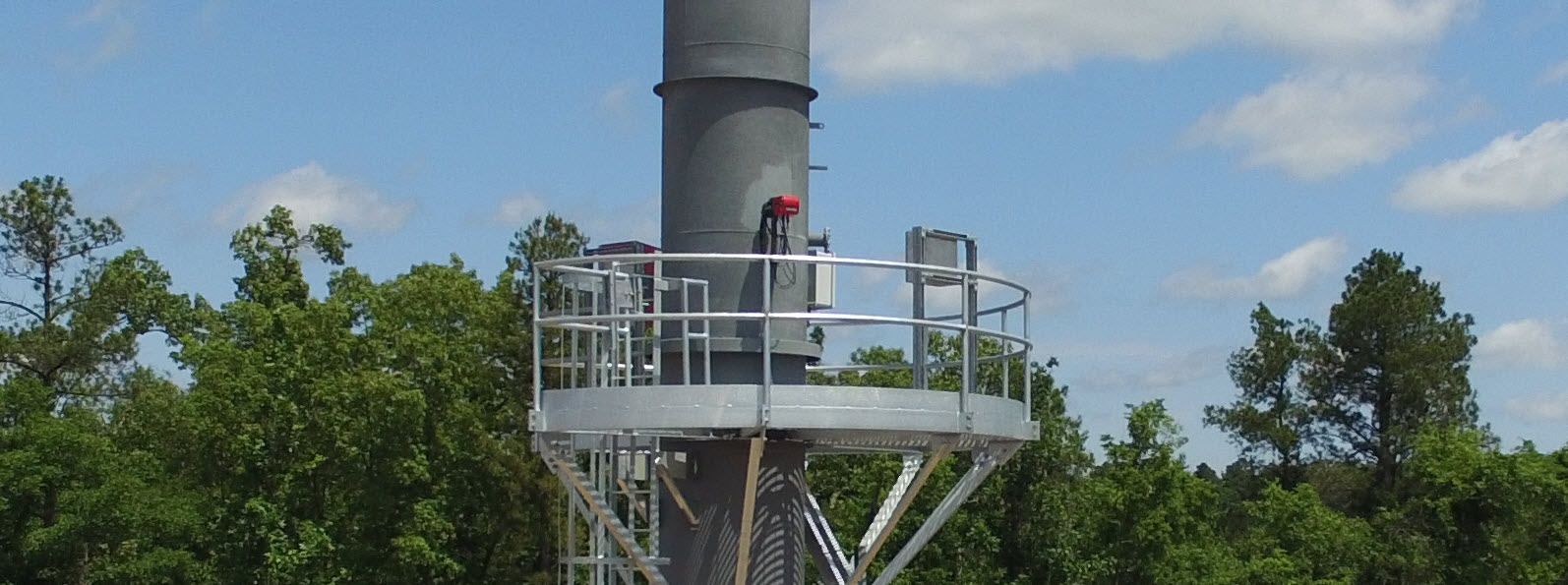
Many AMETEK Land products are designed to be mounted outdoors, often high on a flue gas stack or duct. The list includes the 4500 MkIII opacity monitor, WDG-1200 insitu oxygen analyser and Model 9100 cross-stack carbon monoxide analyser. They are all robust products, designed to handle driving rain and a wide range of ambient temperatures, so it is tempting to mount them on the most convenient location and let them do their stuff. However, it is worth giving some thought to the extreme conditions they can experience so they have the best chance of a long period of accurate measurements.

The effect of sunlight should not be underestimated, especially at low latitudes. The upper temperature limit for the 4500 MkIII is 55 °C (131 °F) and it is unlikely that the ambient temperature will exceed this anywhere on the surface of the earth. However, the combination of an ambient temperature in the region of 40 °C (104 °F) and solar radiation of 1000 W/m2 can easily take the enclosure temperature outside of the specified range. The consequence is both short-term drift and a reduction in long-term reliability. Such aggressive conditions also make it difficult for a service engineer to operate effectively, so routine servicing and calibration may have to be performed only in the early morning when conditions are more benign.Blog Solar Heating
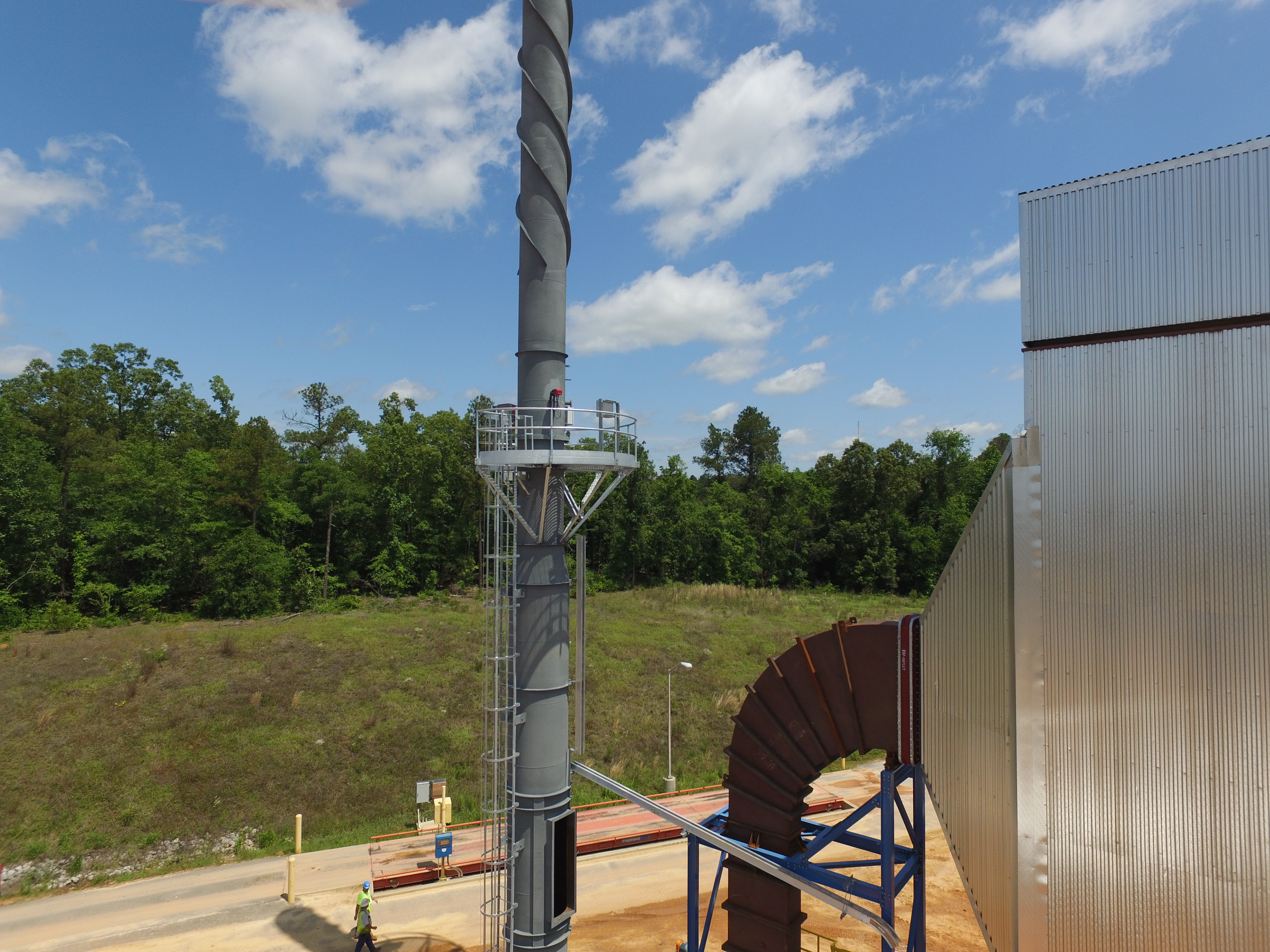
Fortunately, there are steps we can take to make life easier for our equipment. The first is to install it in a shaded location, if possible. Low-level ducts leading to the stack may be shaded, or the annular space between the flue and the concrete stack are suitable. If a stack mount is essential, a simple shade can be provided. Alternatively, a purpose-made AMETEK Land weather cover provides shade as well as protection from driving rain.

Photo credit: Jeff Wheeler

アーカイブ

Skip Navigation Links.
Collapse 2023(25)2023(25)
Collapse November(4)November(4)
Importance of Reliable Slag Detection
How to Enhance Combustion with NIR-Bs to Reduce Emissions and Boost Energy Efficiency
Ensuring Quality and Control in Auto-pour Processes for Foundry Castings
Can I Measure Opacity When I Have Water in my Flue Gas?
Collapse October(2)October(2)
What is EtherNet/IP and Why Do I Need It?
How Critical is Measurement of Temperatures in the Aluminium Industry?
Collapse August(1)August(1)
Industrial Thermal Imaging Benefits in Heat Treatment Applications
Collapse July(1)July(1)
Why Should I Use Two NIR-Bs on Container Glass Furnaces?
Collapse June(1)June(1)
Exploring Career Opportunities at AMETEK Land: Your Pathway to Success
Collapse May(3)May(3)
SPOT AL: Revolutionising Aluminum Extrusion with Precision Temperature Control
5 Practical Tips for Using the Gold Cup to Measure Tube Wall Temperatures
Making Smart Investments in Non-Contact Temperature Measurement Technology
Collapse April(3)April(3)
INDUSTRY 4.0 & 5.0 in Non-contact Temperature Measurement Applications and Devices
Gas Concentration Measurements in Glass Melt Tanks with a Portable Gas Analyser
How to Use the New LWIR-640 and its IMAGEPro Software to Monitor the Exterior of a Glass Furnace and Avoid Glass Leaks
Collapse March(3)March(3)
What is Dual-Sensor Technology?
Maintaining the Reliability and Safety of Steam Methane Reformers through Outlet System Monitoring
Combining a Transportable NIR-B-2K & Lancom 4 for Thermal Surveys & Combustion Optimisation
Collapse February(4)February(4)
Using Fiber-Optic Instruments (FGs) for Live Temperature Monitoring in Container Glass Furnaces
Combustion Control in a Black Liquor Boiler
Benefits of Using Medium-wavelength (MWIR) Thermal Imagers Instead of Widely Used Long-wavelength (LWIR) Cameras
10 Reasons Why Thermal Cameras Are Preferred to Video Cameras for Furnace Monitoring.
Collapse January(3)January(3)
Steam Methane Reformer (SMR) Tube Metal Temperatures (TMT) Data Collection and Correction
How to Improve Temperature Gradient and Quality of Glass Ribbons Using The LSP-HD Linescanner
Understanding the Importance of 'HOT SPOT' Measurement in Non-Contact Temperature Measurement Applications
Expand 2022(30)2022(30)
Expand 2021(19)2021(19)
Expand 2020(15)2020(15)
Expand 2019(15)2019(15)
Expand 2018(9)2018(9)