When it comes to producing high-quality aluminium extrusions, there's one mantra that industry experts often emphasise: temperature, temperature, and temperature.
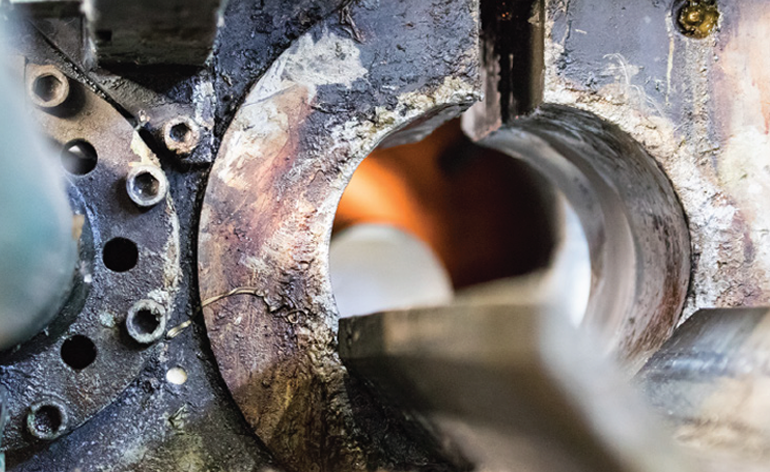
The temperature of the billet, die, and the extrusion profile during the cooling process play pivotal roles in determining the throughput of the press and the characteristics of the final product. However, accurately measuring and controlling these temperatures is a challenge, especially with conventional tools like thermocouples.
AMETEK Land introduces the
SPOT AL, a groundbreaking solution that has revolutionised temperature control in aluminium extrusion processes.
The Challenge of Temperature Measurement
Conventional temperature measurement tools face limitations in accurately gauging temperatures during
aluminium extrusion. The billet spends a brief time between the reheat oven and the press, leading to temperature variations along its length.
Moreover, the continuous movement of the extruded product and the use of different dies for varying sizes and shapes add further complexity. Infrared thermometry emerges as the ideal solution due to its fast response, non-contact nature, and suitability for hot materials. However, aluminium possesses unique characteristics that hinder accurate temperature measurement using standard infrared pyrometers.
Its low and variable emissivity, along with alloy-specific variations, make it impossible to correlate the intensity of infrared radiation emitted by the metal with its temperature, as commonly done with other materials like steel and glass.
 Introducing the SPOT AL
To overcome the challenges posed by
aluminium's properties, the
SPOT AL offers a breakthrough solution. It employs measurements at carefully-selected wavelengths and proprietary algorithms to determine the temperature of hot aluminium with exceptional accuracy.
Each SPOT AL unit comes equipped with algorithms optimized for measuring oxidized aluminium billets, freshly-extruded aluminium, and cooling aluminium at the quench exit. Additionally, these algorithms can be fine-tuned to match the specific temperature characteristics of different alloys through a one-time comparison with a thermocouple measurement.
Unleashing the Power of the SPOT Actuator
The
SPOT AL's actuator provides remarkable advantages in extrusion applications. It can scan the entire length of the billet, enabling the generation of a detailed temperature profile.
This capability allows for comprehensive insight into the temperature distribution within the billet, ensuring precise control over the extrusion process. Furthermore, the actuator can automatically locate the position of the extrusion at the press exit, streamlining production and enhancing efficiency.
Realising Improved Process Control and Quality
AMETEK Land has helped numerous extruders enhance their process control and achieve superior product quality. Published case studies featuring industry giants like
Hydro Extrusions and
SAPA Profiles showcase the tangible benefits of implementing the
SPOT AL technology.
Cristiano Baiano of SAPA Extrusions testifies to the transformative impact:
"With precision control of extrusion conditions, we have minimal to no temperature variation for each extrusion length or from extrusion to extrusion, resulting in repeatable reliable material production with even metal quality and strength."
Conclusion
Temperature control lies at the heart of successful
aluminium extrusion processes. The
SPOT AL has emerged as a game-changing technology, addressing the longstanding challenges of accurate temperature measurement and control.
By leveraging carefully-selected wavelengths, proprietary algorithms, and advanced actuator capabilities, the SPOT AL enables extruders to achieve optimal temperature profiles, consistent product quality, and enhanced process efficiency. With the SPOT AL, the aluminium extrusion industry has unlocked the key to unlocking a new era of success and excellence.
Click here to learn more about the SPOT AL