The auto-pour process is a pivotal component in foundry operations, automating the precise pouring of molten metal into moulds to create castings. It involves specialised equipment, temperature control, mould preparation, automation systems, safety measures, and data collection.
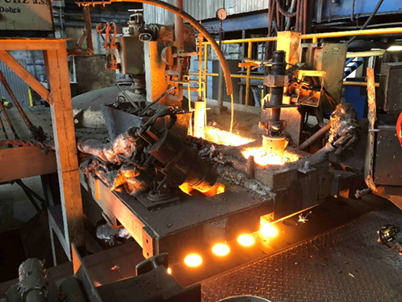
This blog delves into the essential aspects of auto-pouring and its benefits, all of which contribute to improved quality and efficiency in foundry operations.
Automated Pouring Equipment
Auto-pour systems feature specialised equipment designed for the controlled and automated pouring of molten metal. This equipment includes robotic arms, ladles, pouring spouts, and other components capable of precise movement and positioning.
Temperature Control
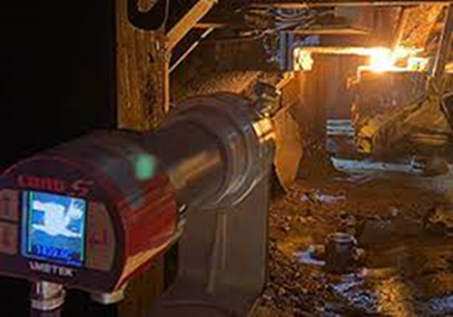
Maintaining the correct temperature of the molten metal is vital in the auto-pour process. Traditionally, dip thermocouples are used at the melting furnace and Tundish locations. However, these come with challenges like consumable costs, repeatability, and regular maintenance.
AMETEK Land offers cutting-edge Non-contact IR pyrometers
SPOT+ MM (500-1800°C) designed to measure liquid metal temperature, ensuring reliable operation and better-quality control.
Mould Preparation
Before pouring, moulds are carefully prepared and positioned in the casting area. This includes preheating and securing the moulds to receive the molten metal.
Automation Control System
Auto-pour systems are typically controlled by computerised automation systems programmed to follow specific pouring profiles and sequences, ensuring consistent and precise pouring.
Safety Systems
Safety measures are integrated into auto-pour systems to protect workers and prevent accidents. These include sensors to detect personnel in the pouring area, emergency stop mechanisms, and safety interlocks.
 Data Collection and Monitoring
Auto-pour systems often include data collection and monitoring capabilities. Temperature data, pouring parameters, and other relevant information are logged for quality control, process optimisation, and traceability purposes.
Advantages of Auto-Pour Processes.
The auto-pour process offers numerous advantages in foundry operations:
Consistency: Automation ensures consistent pouring conditions, reducing variations in castings and improving product quality.
Precision: Auto-pour systems accurately control the rate and volume of metal poured, resulting in precise castings.
Safety: Automation reduces the need for manual handling of molten metal, enhancing safety.
Efficiency: Auto-pour systems optimise the use of molten metal, minimise waste, and reduce energy consumption.
Productivity: Automated pouring increases overall productivity by reducing cycle times and allowing for continuous operation.
The design and capabilities of auto-pour systems may vary based on the foundry's size, complexity, and the types of metals being cast. Overall, auto-pour technology is a significant advancement in foundry operations, offering greater control, consistency, and efficiency in casting production.
Importance of Auto-pour Temperature Measurements
In metal casting, auto-pour temperature measurements hold critical significance for various reasons:
Casting Quality: Proper temperature control ensures the quality, surface finish, and structural integrity of castings.
Casting Defects Prevention: Accurate temperature control prevents defects such as shrinkage, porosity, and misruns, reducing rework or scrap.
Metal Flow: Maintaining the right pouring temperature ensures proper metal flow, preventing incomplete fillings or other defects.
Metallurgical Properties: Temperature affects the microstructure and mechanical properties of cast components.
Mould and Tool Life: Precise temperature control prevents accelerated wear of moulds and tools.
Energy Efficiency: Accurate temperature control saves energy by reducing the need for excessive reheating.
Safety: Proper temperature control is essential for the safety of foundry workers.
Process Optimisation: Temperature data enables process optimisation, reducing costs and enhancing competitiveness.
Quality Assurance: Logged temperature data aids in quality assurance and traceability, allowing for process improvements and quality control adjustments.
In summary, auto-pour temperature measurements are critical for ensuring casting quality, preventing defects, optimising processes, and maintaining safety in foundry operations. Accurate temperature control is essential for producing high-quality cast components while minimising costs and maximising operational efficiency.
Click here to learn more about SPOT+ MM